Chapter 1
Thread: THE TWITTER FILES
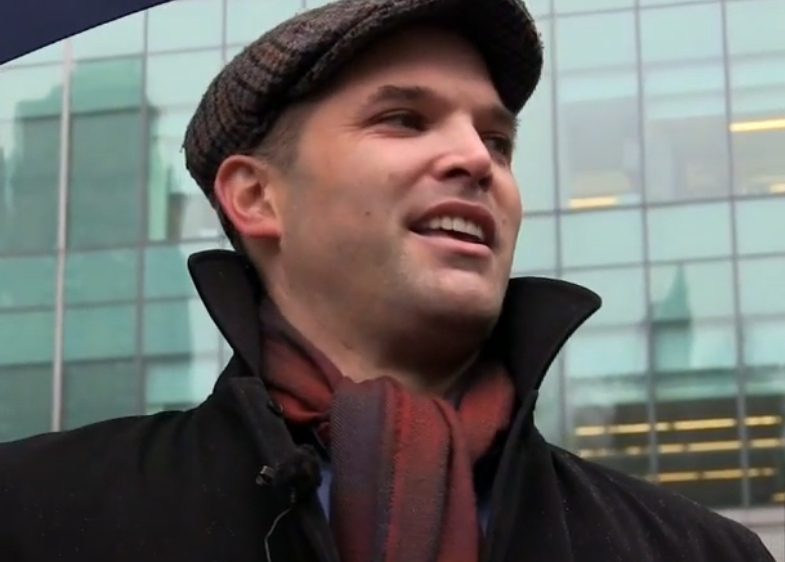
On 2 December 2022 the journalist Matt Taibbi posted a numbered thread on Twitter under the heading “THE TWITTER FILES.” “What you’re about to read,” the second tweet said, “is the first installment in a series, based upon thousands of internal documents obtained by sources at Twitter.” He promised “a Frankensteinian tale of a human-built mechanism grown out the control of its designer.” [1]
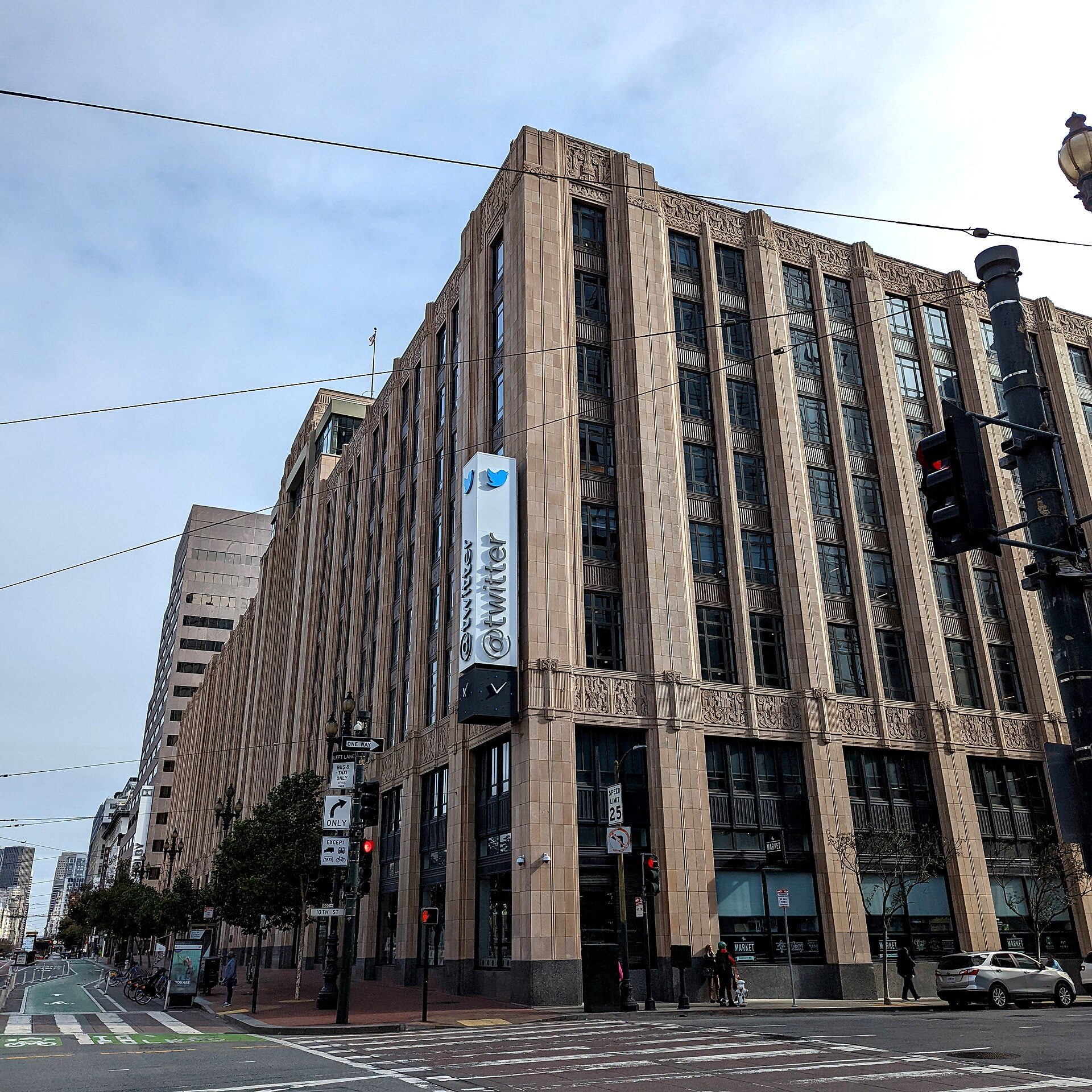
The company had changed hands five weeks earlier. Elon Musk had closed his $44 billion purchase on 27 October and fired its chief executive, its finance chief, its head of legal and policy and its general counsel. [2] Taibbi told his own readers that night that “in exchange for the opportunity to cover a unique and explosive story, I had to agree to certain conditions.” [3] Later he described the main one as “Elon Musk’s requirement that news from the Files be broken on his Twitter.” [4] See the arrangement.
The first thread was about one decision two years before: Twitter’s choice, in October 2020, to stop people sharing a New York Post story about Hunter Biden’s laptop. Before he got there, Taibbi set out a thesis. By 2020, he wrote, “requests from connected actors to delete tweets were routine. One executive would write to another: ‘More to review from the Biden team.’ The reply would come back: ‘Handled.’” [1] See the “Handled” tweets.
He added a qualification that was often lost later: “Both parties had access to these tools. For instance, in 2020, requests from both the Trump White House and the Biden campaign were received and honored.” The system was not balanced, he argued, because “it was based on contacts,” and the company’s staff leaned one way. [1]
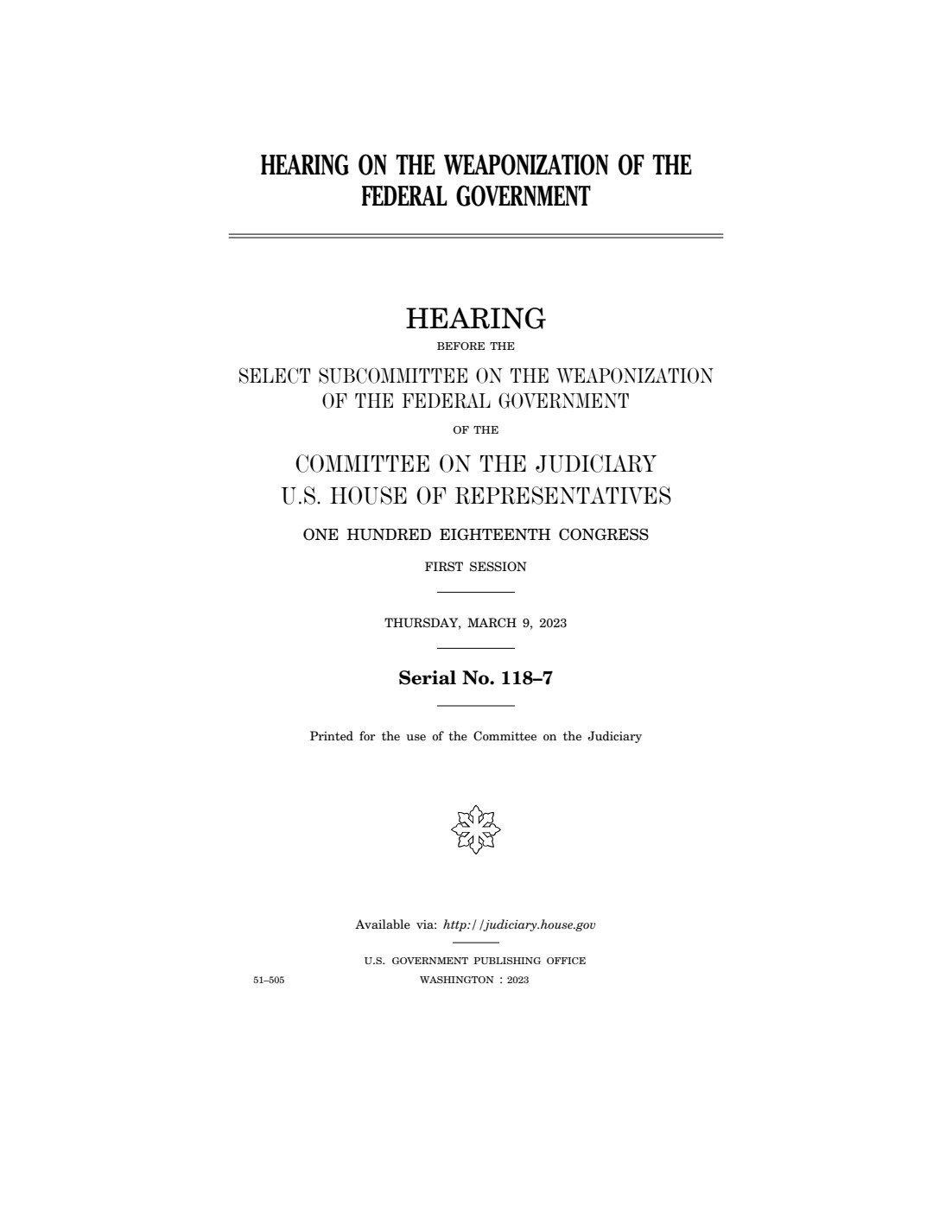
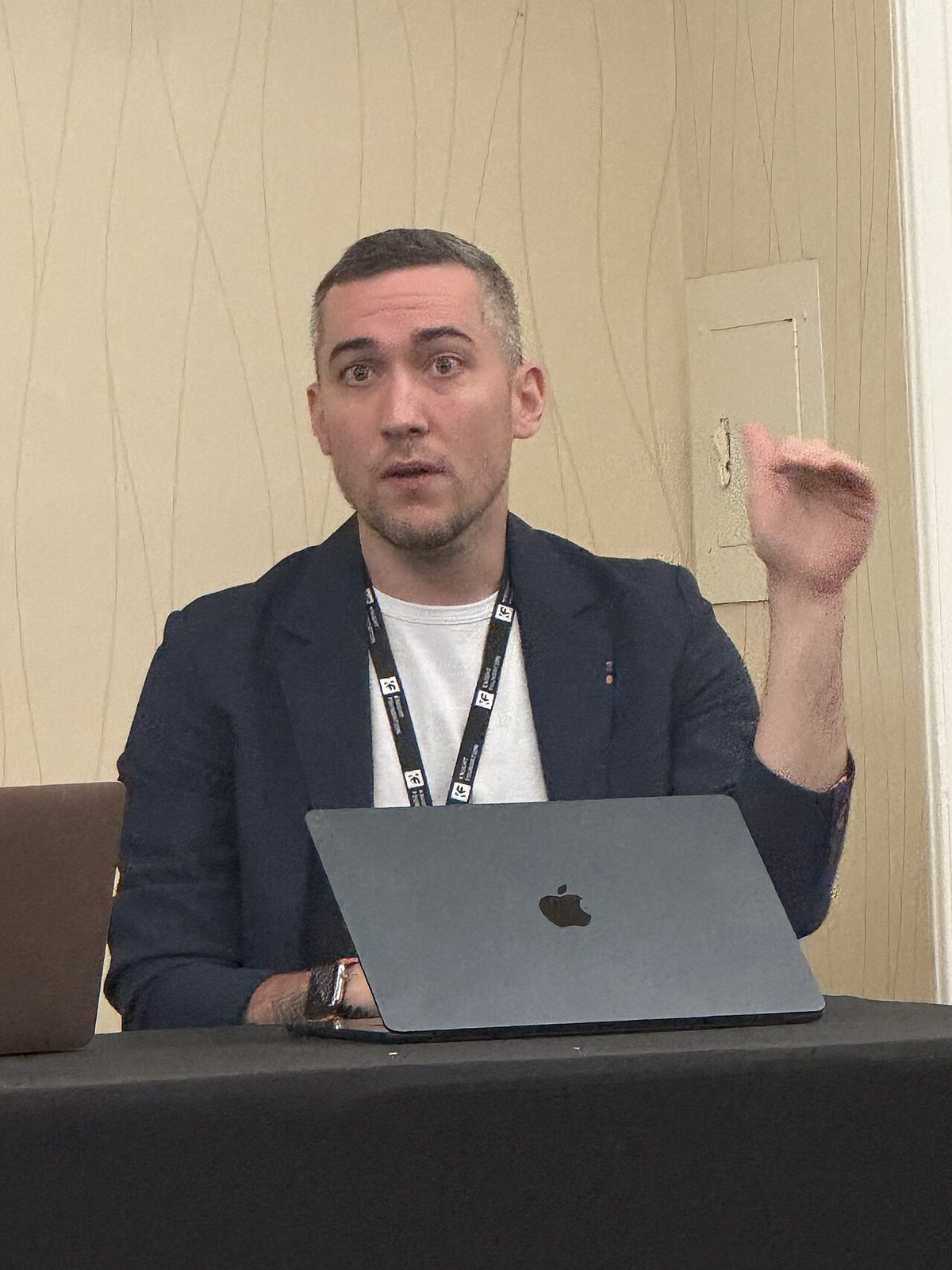
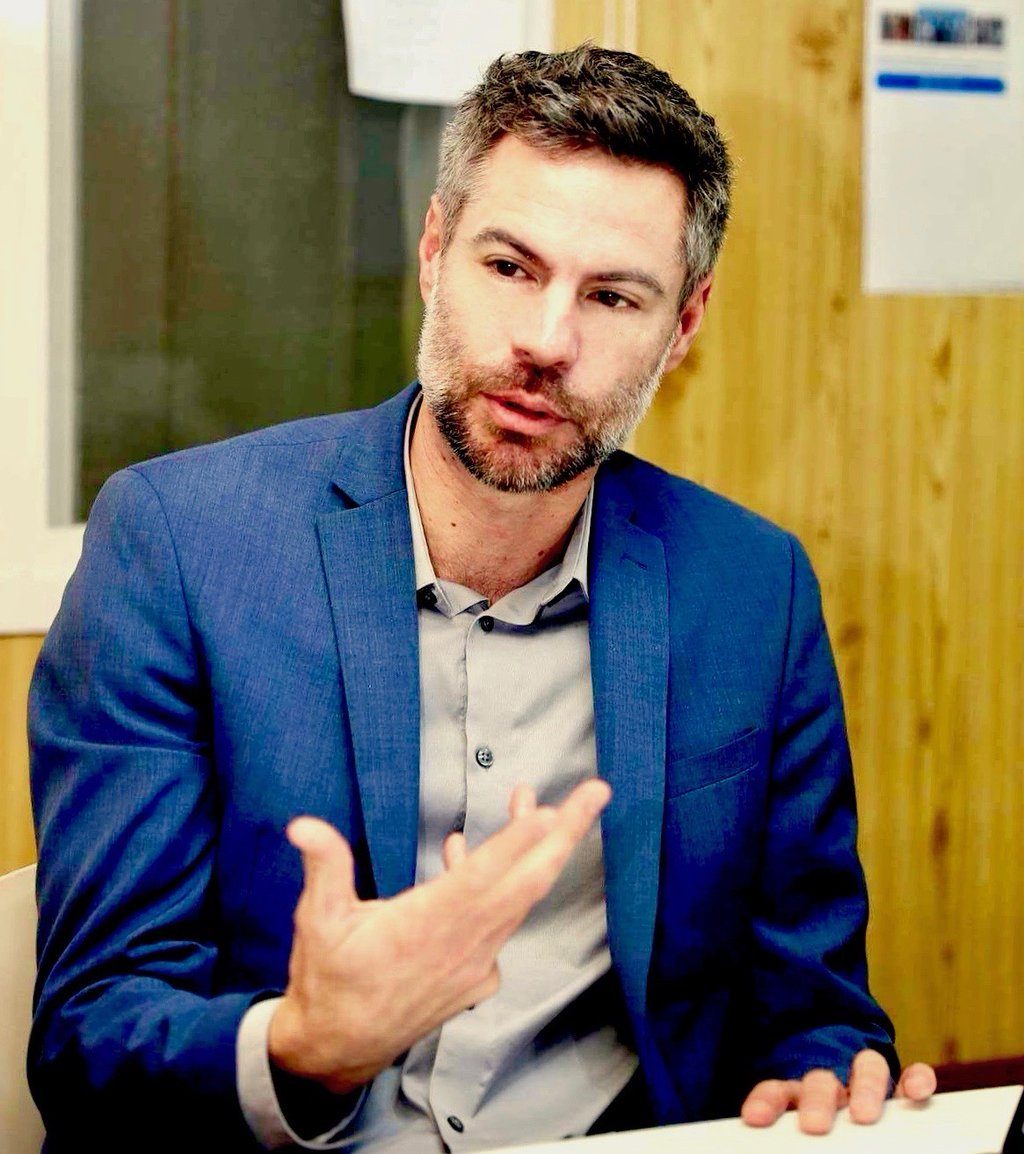
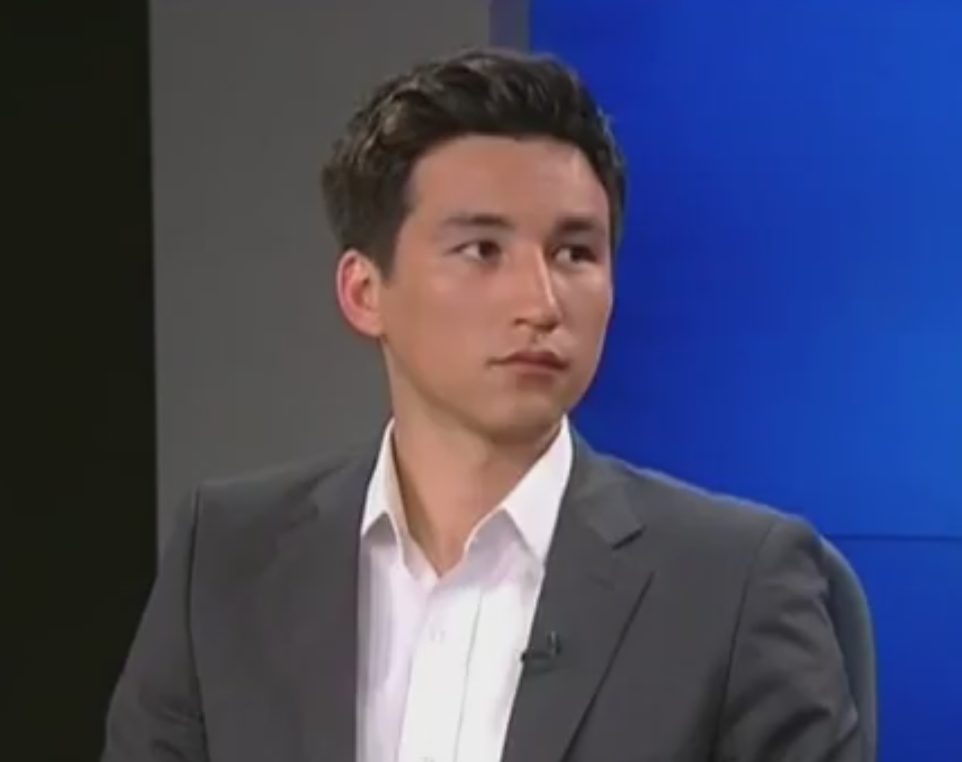
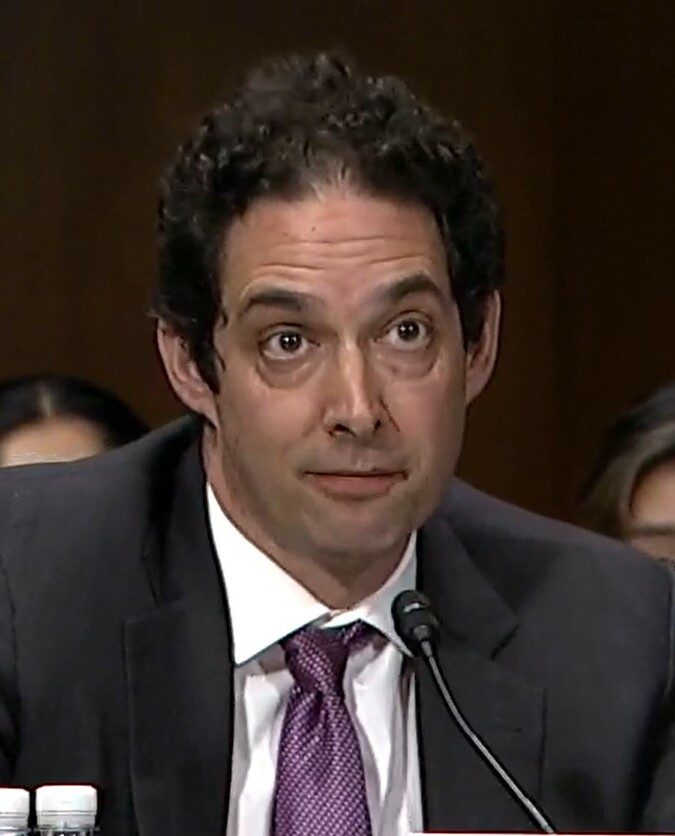
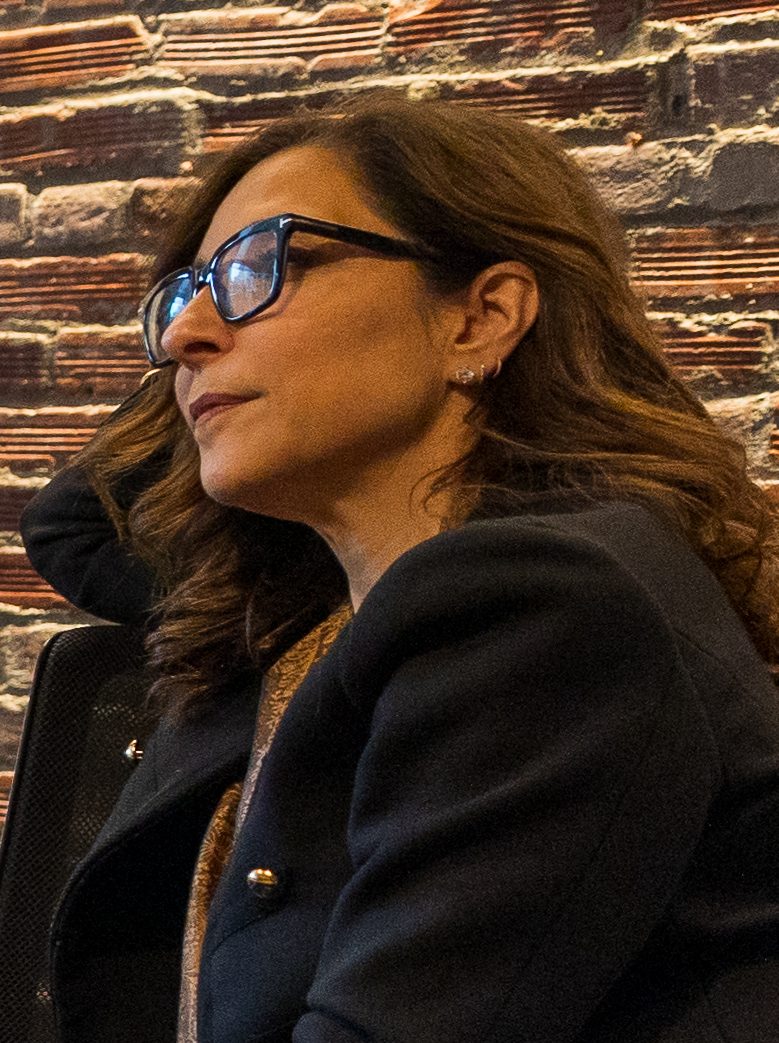
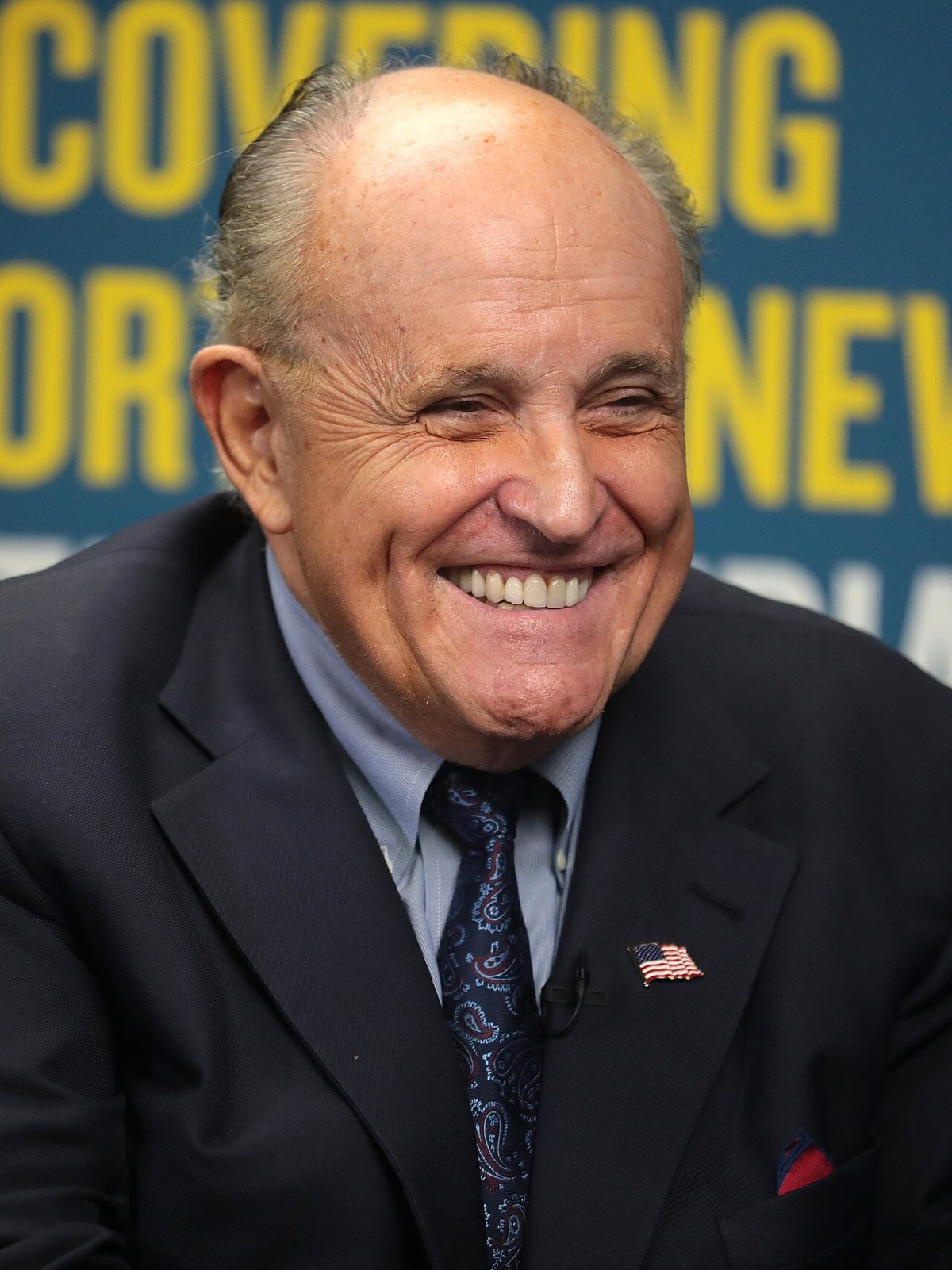
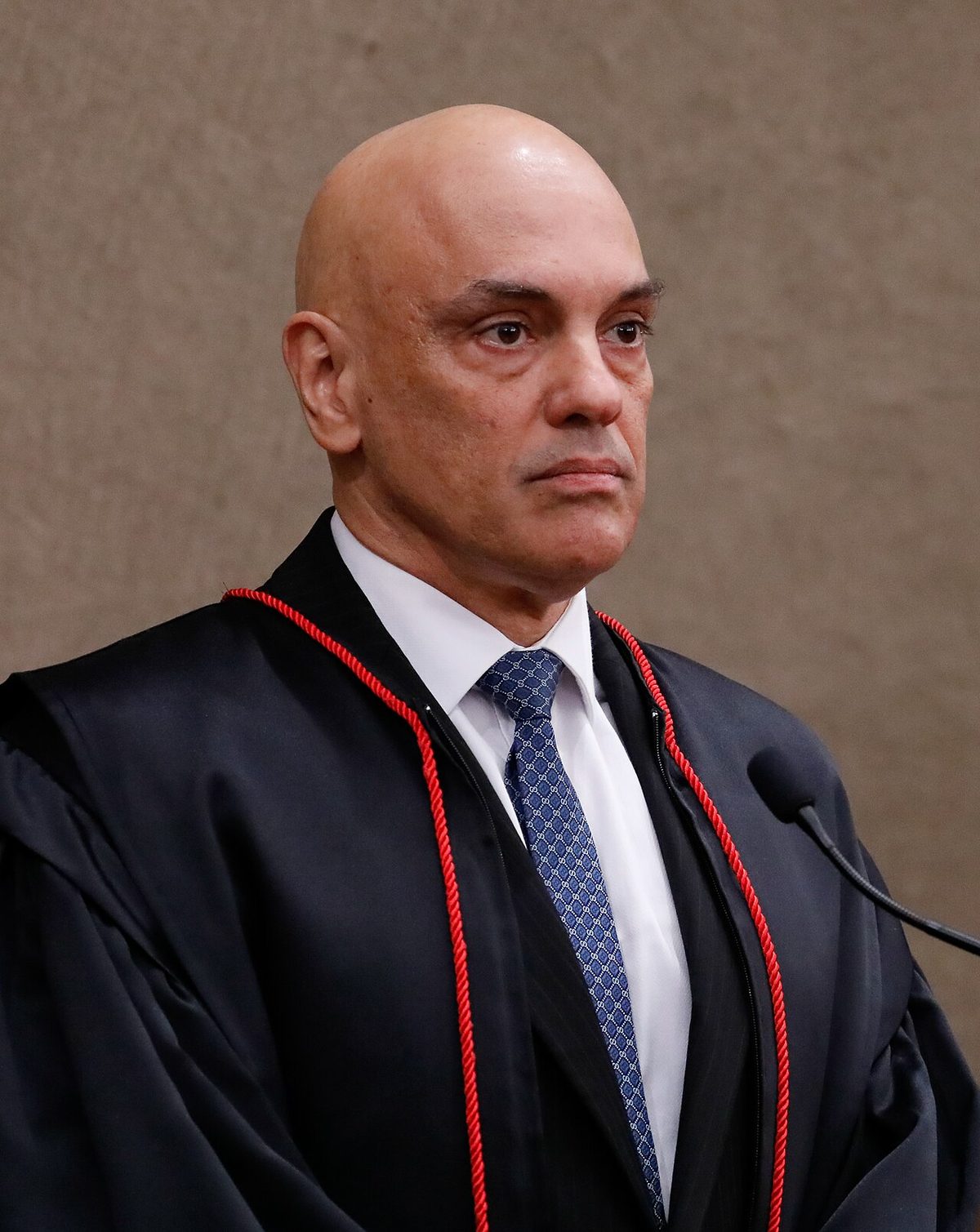
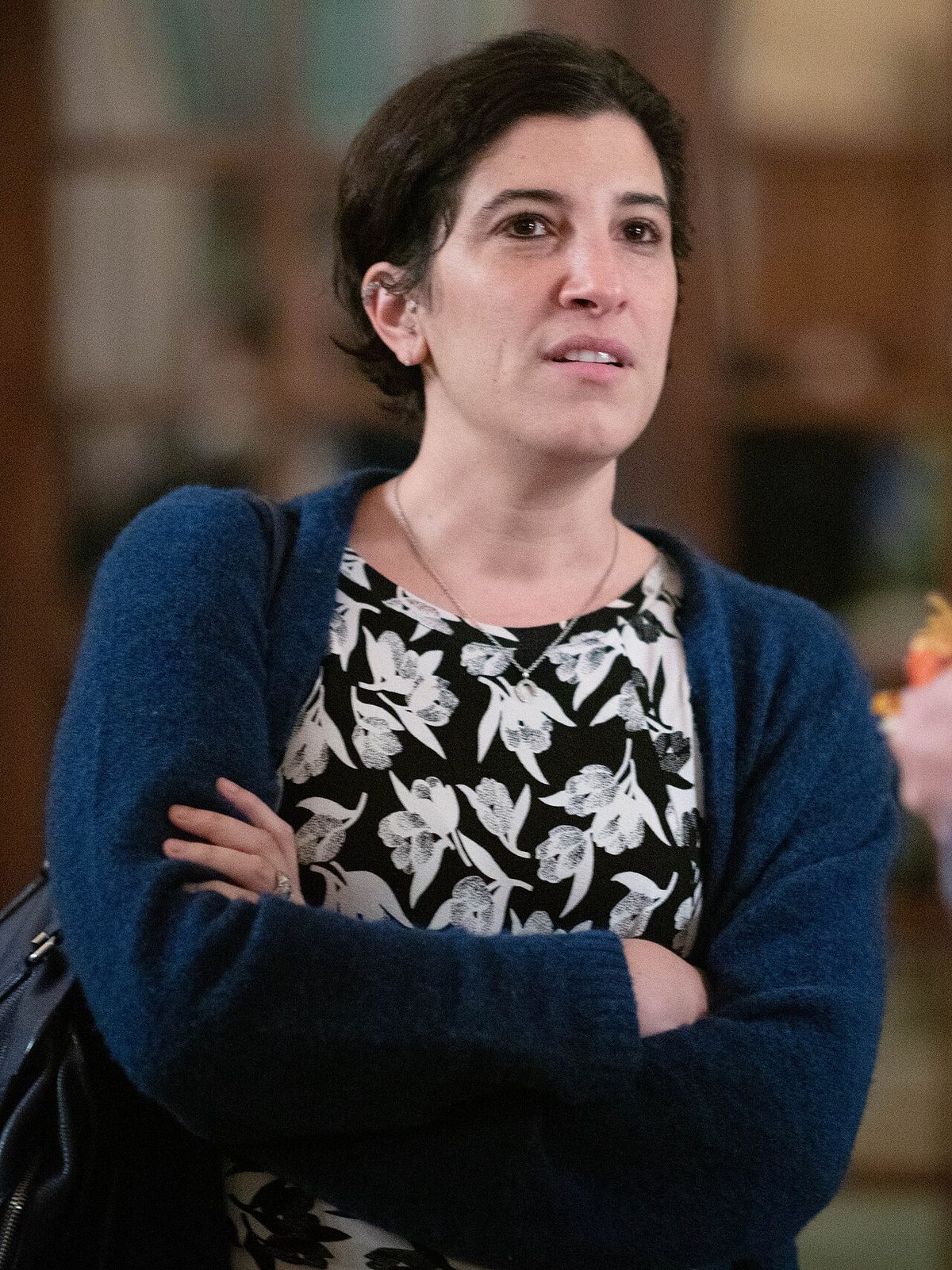
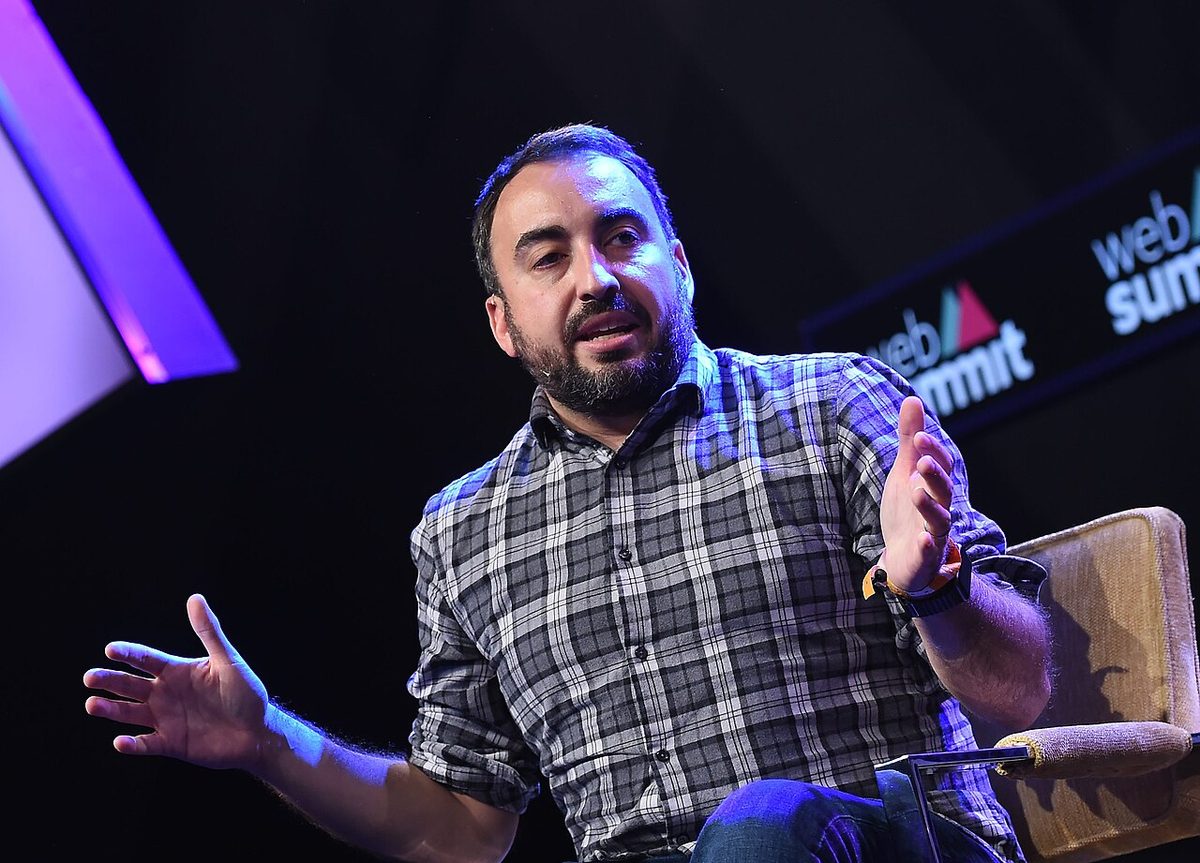
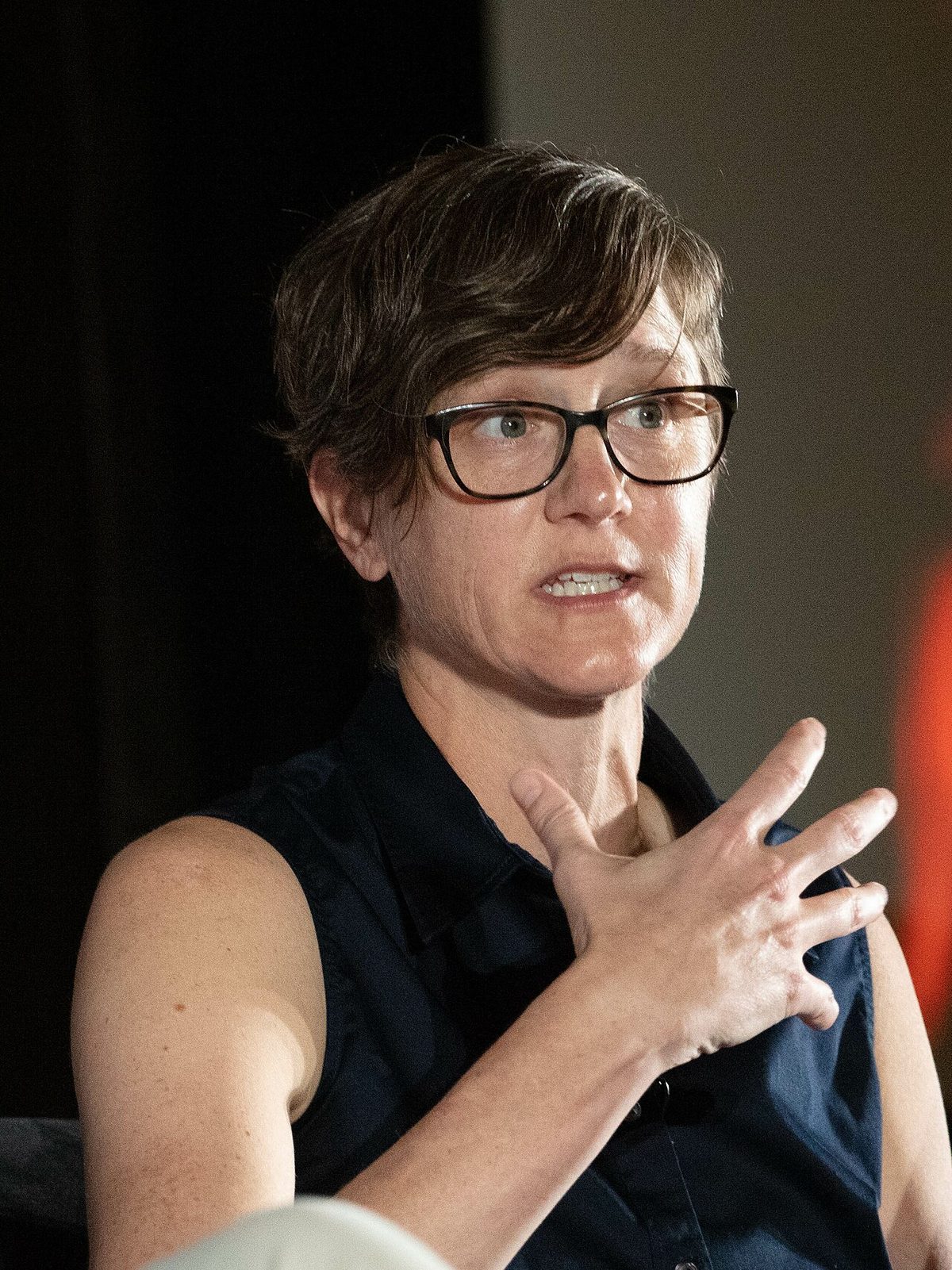
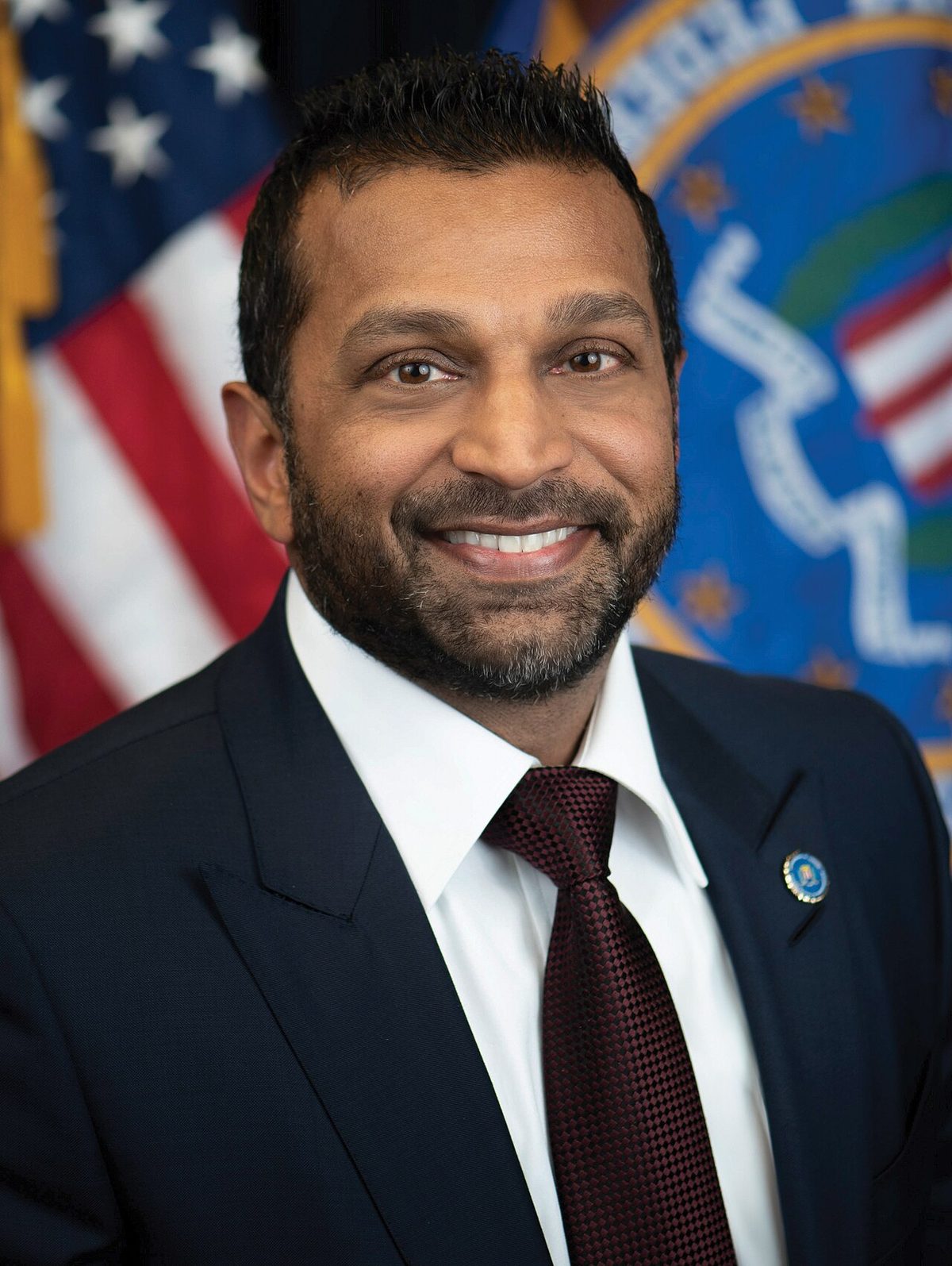
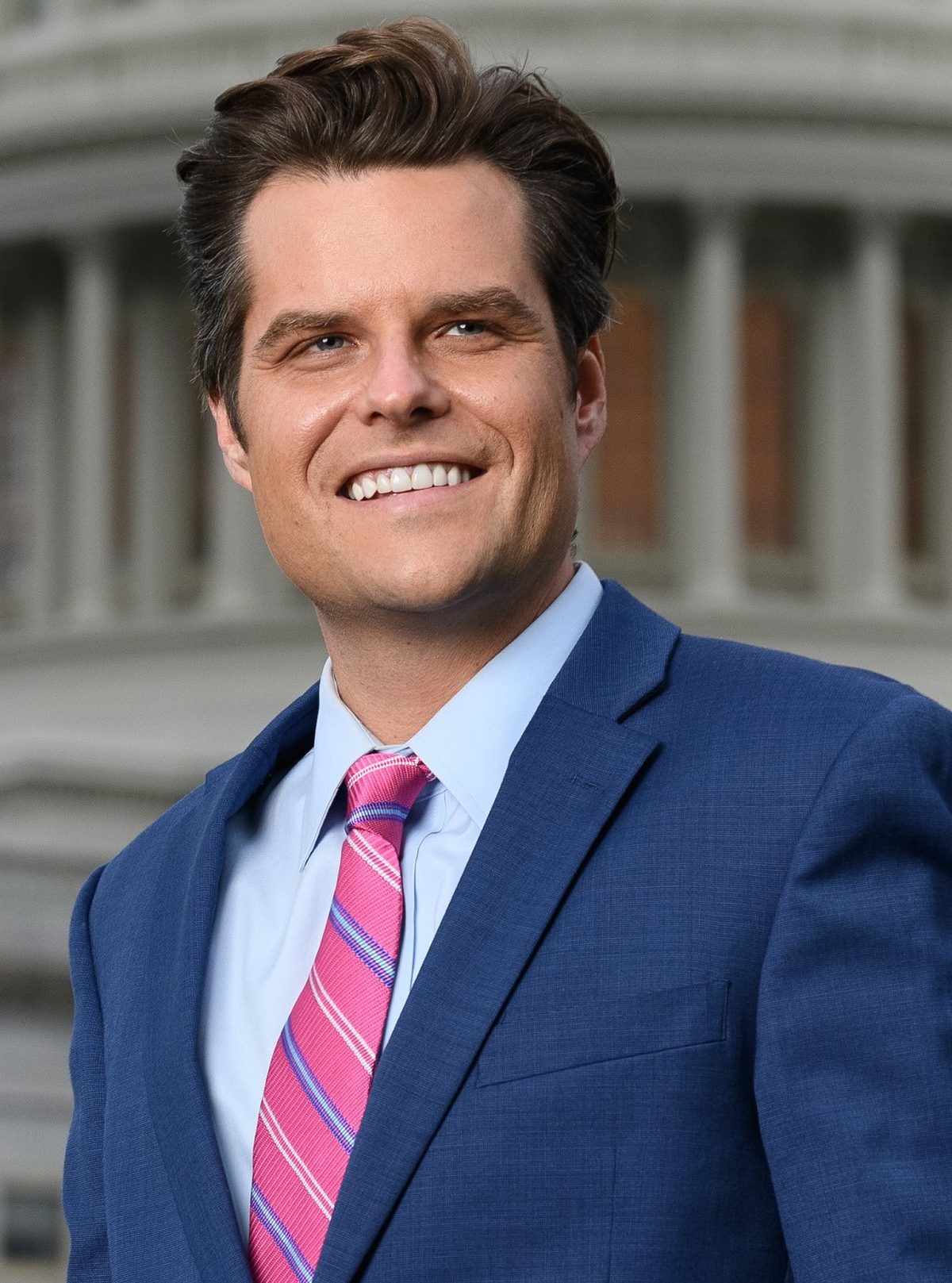
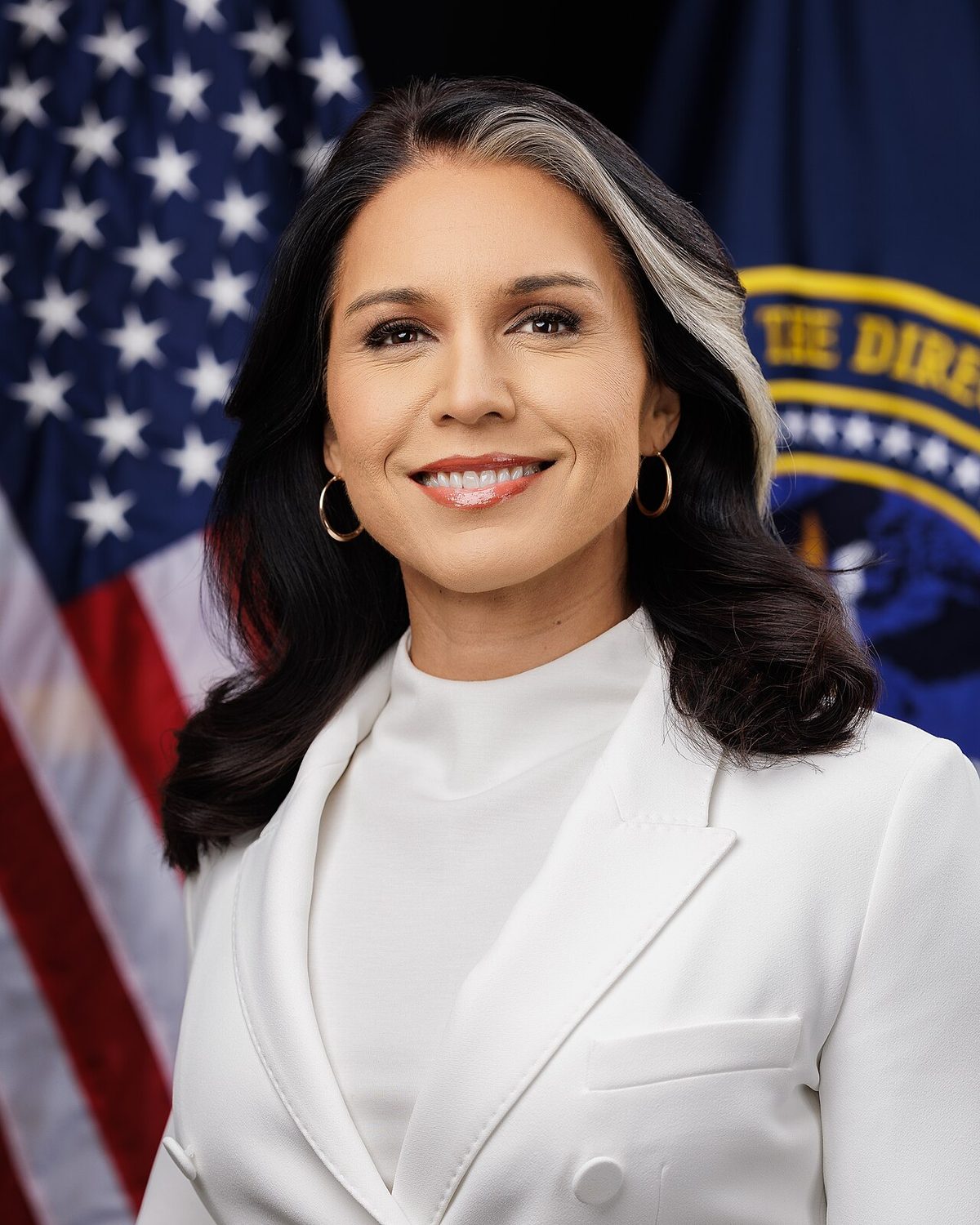
The first tweet drew 143 million impressions, Taibbi later told Congress. [5] Over the next months he was joined by Bari Weiss and Michael Shellenberger, then by Lee Fang, David Zweig and Alex Berenson, with a Free Press team including Abigail Shrier and Nellie Bowles working on the second part. [4] [6] [7] See the writers.
What they published became a fixed point in American arguments about speech. To some it was proof of a hidden system of government censorship; to others it was a new owner’s selective release of ordinary content moderation, cut to fit a story. Those are characterizations. This guide keeps them apart from what the documents themselves show, and labels the contested parts as it goes. [5] [8]



























Approved reader comments and ratings appear here when JavaScript is on.